HomeCategories, Classes and Why Professional Help MattersUncategorizedCategories, Classes and Why Professional Help Matters
Categories, Classes and Why Professional Help Matters
Understand water damage categories and classes, what they mean for your home, and how Rhino Water Damage builds the right restoration plan.
Categories, Classes and Why Professional Help Matters
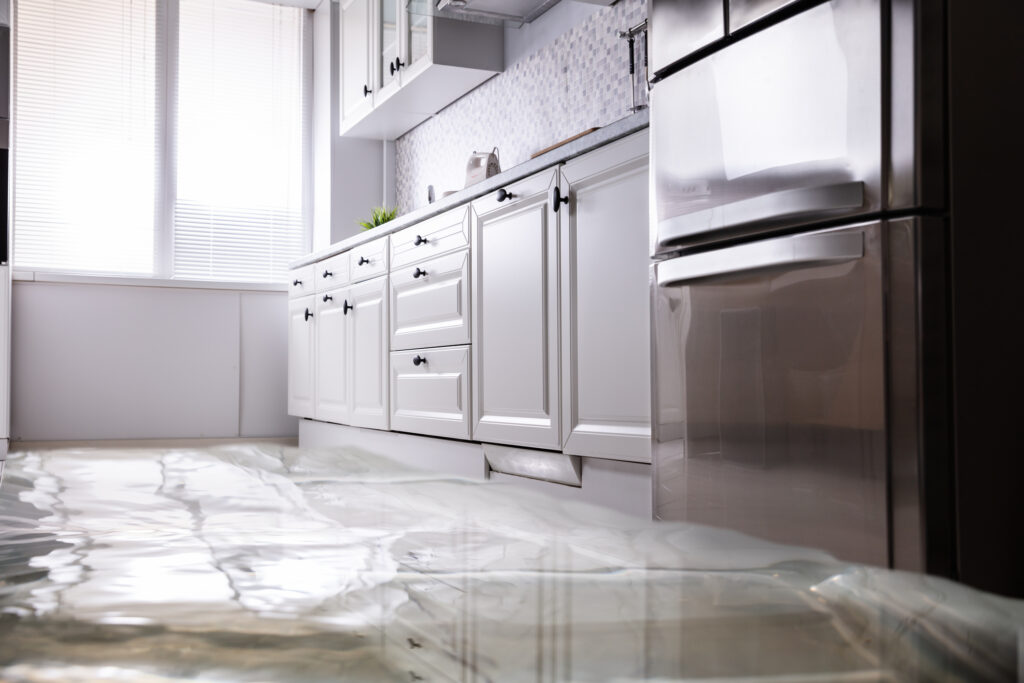
Not all water damage is the same. A small clean-water leak and a major sewage backup are both serious, but they require very different approaches. That’s why restoration professionals use water categories and classes to describe each loss and plan the right response.
At Rhino Water Damage, our teams across the country use these standards to protect your home, your health, and your budget. Here’s a homeowner-friendly guide to what they mean.
Water Damage Category vs. Class: What’s the Difference?
Think of it this way:
Category describes how contaminated the water is.
Class describes how much material is wet and how hard it will be to dry.
Both matter. Clean water that soaks into walls and subfloors for days can be just as problematic as dirty water that’s cleaned quickly. A proper restoration plan looks at both.
Water Damage Categories (1, 2, and 3)
These categories help identify health risks and inform what can be cleaned, what must be removed, and what protective measures technicians need.
Category 1: Clean Water
This is water that starts out clean and doesn’t pose a significant health risk.
Common sources:
Broken supply lines
Leaking faucets or valve failures
Overflow from a sink or tub with no contaminants
If handled quickly, Category 1 losses are often the least complicated. But if neglected, clean water can become contaminated over time or as it passes through building materials.
Category 2: Gray Water
Category 2 water contains significant contamination and may cause discomfort or illness if contact is prolonged.
Common sources:
Washing machine discharge
Dishwasher leaks
Overflow from showers or sinks containing soaps, oils, or food residues
Long-standing “clean” water that’s been sitting for a while
Category 2 water usually requires more aggressive cleaning, removal of certain porous materials, and careful handling.
Category 3: Black Water
Category 3 water is heavily contaminated and can contain bacteria, viruses, chemicals, and other harmful substances.
Common sources:
Sewage backups or toilet overflows with waste
Floodwater from rivers, streams, or outdoor runoff
Long-standing water with visible microbial growth
With Category 3, safety is the top priority. Many porous materials, such as carpet, padding, some drywall, and insulation, typically must be removed rather than cleaned. Rhino Water Damage follows strict procedures to protect both your family and our technicians.
Water Damage Classes (1–4): How Wet Is Your Home?
While category focuses on contamination, class focuses on how much water and how difficult it will be to dry.
Class 1: Minimal Affected Area
A small portion of a room is affected.
Materials are low-porosity, such as tile or hardwood with minimal absorption.
Drying is usually faster and requires less equipment.
Example: A small, quickly caught leak on a tile floor.
Class 2: Significant Area, Porous Materials Involved
Water has affected an entire room or more.
Carpeting, pad, and lower walls are often wet.
Porous materials absorb more moisture.
Example: A supply line failure that soaks the carpet and baseboards in a bedroom or living room.
Class 3: Water From Overhead or Saturated Walls
Water often comes from above, like a roof leak or upstairs bathroom.
Ceilings, walls, insulation, and floors may all be saturated.
Drying is more complex, often requiring controlled demolition.
Example: An overflowing upstairs tub that saturates the ceiling and walls two levels down.
Class 4: Deeply Saturated, Specialty Drying Situations
Water has saturated very low-permeability materials like hardwood, plaster, brick, or stone.
Specialized drying methods, more time, and carefully controlled conditions are often required.
Example: Long-standing leaks that soak into hardwood floors or plaster walls.
Why These Categories and Classes Matter to You
You don’t have to memorize every detail, but understanding the basics helps you:
Interpret restoration estimates and scope of work.
Understand why some materials can be saved and others cannot.
See why professional drying is necessary, especially after gray or black water.
Communicate clearly with your insurance adjuster about the severity of your loss.
When Rhino Water Damage inspects your property, we consider both the category and class to design a safe, effective, and cost-conscious restoration plan.
How Rhino Water Damage Uses Categories and Classes On-Site
When our technicians arrive, they will:
Identify the water source and help stop it if still active.
Evaluate the water category based on source and contamination risk.
Inspect the building materials to determine the class of damage.
Take moisture readings and photos for documentation and insurance.
Build a custom drying plan based on what’s wet, how wet it is, and what can realistically be saved.
This structured approach helps ensure nothing is missed, especially hidden moisture that could cause mold, odor, or structural problems later.
Why DIY Cleanups Can Backfire
It’s understandable to want to save money and handle minor water issues yourself. But even small incidents can become big problems if misjudged.
DIY cleanups often:
Underestimate how far water has traveled.
Skip detailed moisture mapping of walls and subfloors.
Use household fans instead of proper dehumidification, leading to high humidity and mold risk.
Attempt to clean materials affected by Category 2 or 3 water that should be removed.
By contrast, Rhino Water Damage technicians follow industry-approved standards and use professional-grade equipment to get your home truly dry.
Nationwide Help From Rhino Water Damage
Whether you’re facing a clean-water leak from a broken pipe or a severe sewage backup, water damage is stressful and the terminology can be confusing.
You don’t have to figure it out alone.
As a nationwide water damage restoration company, Rhino Water Damage responds 24/7 with local teams trained to:
Assess water categories and classes
Extract standing water quickly
Dry your home efficiently and thoroughly
Coordinate with your insurance company
Guide you from emergency to full restoration
If you’re dealing with any kind of water damage, contact Rhino Water Damage today. We’ll help you understand exactly what you’re dealing with and what it will take to make your home safe, dry, and comfortable again.